What are Things You Can (and Can’t) Do With a Tampon?

As much as we love the Internet, there is also a lot of misinformation floating around. Recently, we’ve seen those less-than-accurate “facts” popping up around tampons. Not cool, Internet. If you’re a first-time tampon user, curious about tampons, or even a period pro, sometimes it’s easy to get confused. You search something as simple as “can you shower with a tampon in” and there’s a very real chance you’re going to get some weird, definitely not true answers. A lot of people think they’re an expert, but in reality they might be spreading some very wrong info.

As legit experts, we here at Tampax thought it was time to clear up a few popular misconceptions by answering some of your most pressing period and tampon questions. If you’ve ever wondered things like does your period stop in the shower, or can you go to the bathroom with a tampon in, then you’ve come to the right place.

Here are the most common tampon questions, answered by people who actually know what they’re talking about.

Can you flush a tampon?

Let’s settle this once and for all: Please don’t flush your tampon. Have you ever walked into the bathroom, opened a stall door, only to be confronted with a toilet clogged up with red, bloody water? Not a pleasant sight. So wrap it up in a tissue (or, may we suggest our Radiant tampons, which come in a CleanSeal wrapper for easy disposal) and throw it away.

Can you go to the bathroom with a tampon in?

Absolutely! A quick anatomy lesson for you: You actually have two different holes down there.

Period blood comes out of your vagina, which is connected to your uterus. Urine comes out of your urethra, which is connected to your bladder. So when you insert a tampon, it’s going into your vagina and leaving your urethra clear to urinate normally. But, you might be wondering, what happens if I get pee on the string? Nothing really, but if the thought of walking around with a pee-soaked tampon string has too much of an ick factor for you, just hold the string to the side and out of the way when you pee. Problem solvePeople love to make jokes about this one (at least we hope they’re kidding), that swimming in the ocean when you have your period will attract sharks. Insert eye roll emoji here. For the record, this has been debunked by numerous scientists. But, a lot of you have other valid concerns that if you go swimming with a tampon in that you might wind up leaking in the water. The good news is, because tampons are specifically designed to absorb period flow before it can leave your body, tampons are excellent for swimming in any kind of water.

Can you shower with a tampon in?

Yup, same thing here as swimming. Tampax tampons have a LeakGuard Braid to help stop leaks before they happen, so you can wash your body - including your vaginal area - normally without worrying about bleeding on your newly clean self. Some people believe that the hot water from your shower will cause you to bleed more, since heat stimulates blood flow, but that doesn’t necessarily apply to your period.

Does your period stop in the shower?

While it would come in handy, alas this question is a no. Water does not stop your period from happening. It may seem that way, if you shower without a tampon in, but mostly because the water is diluting the blood so it doesn’t look as dark or thick. That said, if you take a bath, you actually will notice that it looks like you’ve stopped bleeding. In fact, that’s physics at work. Because water creates more resistance than air, when you are submerged in the tub, there is pressure against the opening of your vagina that can temporarily help keep blood from flowing out. But, once you exit the bath that pressure is gone and you’ll likely start bleeding again.

How long can you leave a tampon in?

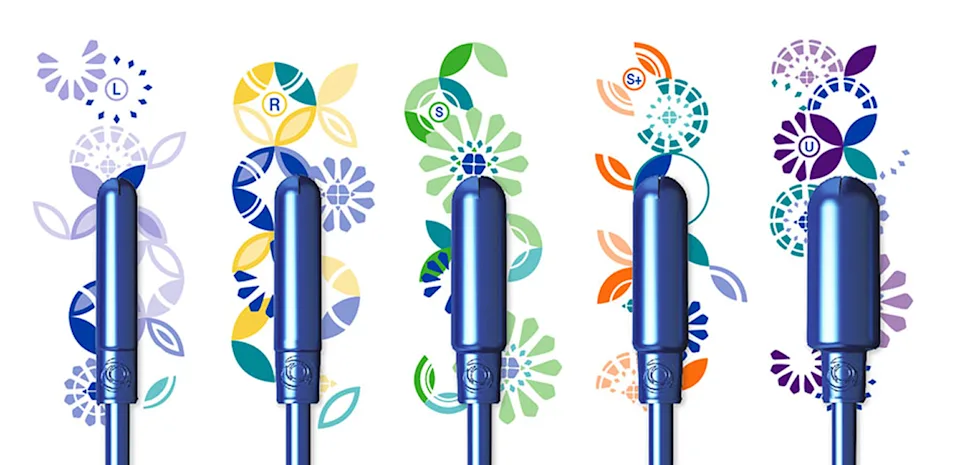
Tampons should only be used for up to 8 hours. While it’s ok to wear it that long, you may find that you need to change your tampon more often for hygiene reasons depending on your flow. The absorbency of your tampon can also have an effect on how long you can wear it. If your tampon is fully saturated and/or leaks after four hours, you most likely need to go up a size — say from Regular to Super. If your tampon is dry and a bit more difficult to get out after eight hours, you should try a smaller size. It’s a good idea to stock multiple absorbencies of tampons so you always have the right one for you. As for sleeping in a tampon, you can definitely wear one overnight but again, make sure it is in no longer than eight hours.

There you have it: Some of the most common questions about tampons, answered by actual experts who know what they’re talking about. If you're interested in learning how to use tampons, we suggest the Tampax Starter Kit for an easy first tampon trial!

Period blood comes out of your vagina, which is connected to your uterus. Urine comes out of your urethra, which is connected to your bladder. So when you insert a tampon, it’s going into your vagina and leaving your urethra clear to urinate normally. But, you might be wondering, what happens if I get pee on the string? Nothing really, but if the thought of walking around with a pee-soaked tampon string has too much of an ick factor for you, just hold the string to the side and out of the way when you pee. Problem solved.

Can I use a tampon while swimming?

People love to make jokes about this one (at least we hope they’re kidding), that swimming in the ocean when you have your period will attract sharks. Insert eye roll emoji here. For the record, this has been debunked by numerous scientists. But, a lot of you have other valid concerns that if you go swimming with a tampon in that you might wind up leaking in the water. The good news is, because tampons are specifically designed to absorb period flow before it can leave your body, tampons are excellent for swimming in any kind of water.

Can you shower with a tampon in?

Yup, same thing here as swimming. Tampax tampons have a LeakGuard Braid to help stop leaks before they happen, so you can wash your body - including your vaginal area - normally without worrying about bleeding on your newly clean self. Some people believe that the hot water from your shower will cause you to bleed more, since heat stimulates blood flow, but that doesn’t necessarily apply to your period.

Does your period stop in the shower?

While it would come in handy, alas this question is a no. Water does not stop your period from happening. It may seem that way, if you shower without a tampon in, but mostly because the water is diluting the blood so it doesn’t look as dark or thick. That said, if you take a bath, you actually will notice that it looks like you’ve stopped bleeding. In fact, that’s physics at work. Because water creates more resistance than air, when you are submerged in the tub, there is pressure against the opening of your vagina that can temporarily help keep blood from flowing out. But, once you exit the bath that pressure is gone and you’ll likely start bleeding again.

How long can you leave a tampon in?

Tampons should only be used for up to 8 hours. While it’s ok to wear it that long, you may find that you need to change your tampon more often for hygiene reasons depending on your flow. The absorbency of your tampon can also have an effect on how long you can wear it. If your tampon is fully saturated and/or leaks after four hours, you most likely need to go up a size — say from Regular to Super. If your tampon is dry and a bit more difficult to get out after eight hours, you should try a smaller size. It’s a good idea to stock multiple absorbencies of tampons so you always have the right one for you. As for sleeping in a tampon, you can definitely wear one overnight but again, make sure it is in no longer than eight hours.

There you have it: Some of the most common questions about tampons, answered by actual experts who know what they’re talking about. If you're interested in learning how to use tampons, we suggest the Tampax Starter Kit for an easy first tampon trial!

article
en-US